
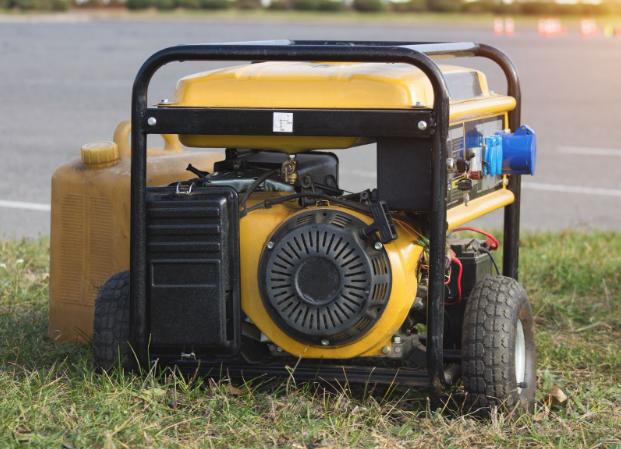
When storm season approaches in Florida, backup power becomes more than a convenience—it becomes essential. A portable generator can keep your home running during outages, but connecting it incorrectly can lead to dangerous backfeeding, fire hazards, and violations of the Florida electrical code.
A transfer switch is the only safe and legal way to connect a portable generator to your home’s electrical system. With decades of experience serving Florida homeowners, Kazar’s Electric, Inc. installs code-compliant transfer switches that protect families, property, and utility workers during emergencies.
Why Do Florida Homes Need a Transfer Switch for Portable Generators?
A transfer switch safely channels power from your portable generator into selected circuits without allowing electricity to flow back into utility lines. Backfeeding isn’t just dangerous—it’s illegal in Florida and can cause fires or electrocute a line worker.
Key Safety Reasons
- Prevents deadly backfeeding to utility lines
- Avoids electrical fires caused by improper connections
- Protects your appliances from surges
- Ensures portable generator hookups meet Florida code
- Keeps your home powered safely during outages
Florida building departments enforce strict portable generator code compliance. Many insurance policies also require a transfer switch for coverage during storm damage claims.
Manual vs Automatic Transfer Switches: Which is Right for Your Home?
Manual Transfer Switch
- Most affordable
- You physically flip the switch during an outage
- Great for powering essential circuits (fridge, pumps, lights)
Automatic Transfer Switch
- Detects outages and switches power instantly
- No manual operation needed
- Ideal for whole-home backup or larger portable generators
- Often recommended in high-risk storm areas
How Much Does a Transfer Switch Cost in Florida?
A typical installation ranges from $500 to $1,500, depending on:
- Number of circuits
- Switch type (manual vs. automatic)
- Wiring distance
- Panel configuration
- Permit fees in your Florida county
How Is a Transfer Switch Installed? (Step-by-Step Guide)
Installation must be handled by a licensed Florida electrician to meet local permitting and inspection requirements.
1. Planning & Assessment
- Review home electrical needs
- Identify critical circuits (AC, refrigerator, medical equipment)
- Determine generator wattage and capacity
2. Permitting
Florida requires electrical permits for transfer switch installations.
Inspections are mandatory to confirm code compliance.
3. Installation
- Shut off main breaker
- Mount transfer switch near the main panel
- Wire selected circuits through the switch
- Install exterior generator inlet box
- Use rated, weatherproof wiring and connectors
- Ensure compliant grounding
4. Testing & Inspection
- Simulate an outage to verify safe switching
- Inspect grounding and load distribution
- Florida inspector signs off for code compliance
5. Homeowner Training
Kazar’s Electric teaches you:
- How to safely connect your generator
- How to use the switch
- How to restore utility power
- Basic maintenance steps
Florida Generator Safety Tips Every Homeowner Should Know
- Always run your generator outdoors—at least 20 feet from doors, vents, and windows—to avoid deadly carbon monoxide intrusion.
- Use only the listed equipment for your transfer switch installation in Florida homes.
- Never backfeed your home through an outlet or dryer cord—it’s illegal and fatal if attempted.
- Safe portable generator hookup in Florida means using heavy-duty, rated power cords and insulated connectors.
- Schedule annual inspections and keep all documents handy for insurance and emergencies.
- Check OSHA’s Portable Generator Safety Guide for federal safety protocols and tips.
Comparison Table: Safe vs Unsafe Generator Hookups
| Option | Safety | Code Compliance | Best For | Cost (Estimate) |
| Manual Transfer Switch | High, if installed professionally | Yes | Most Florida homes | $500–$950 |
| Automatic Transfer Switch | Highest, seamless operation | Yes | Whole-home backup | $1,000–$1,500 |
| Direct Plug to Outlet | Extremely dangerous, illegal | No | Never do this! | $0 (unsafe) |
| Heavy-duty Extension Cord | Safe for single devices only | Conditional | Fridge, lights | Varies |
Advanced Tips: Generator Safety and Code for Florida
- Keep all generator extension cords, safety Florida certified, Florida-certified inspections updated, and circuits labeled.
- Know the difference between a transfer switch manual vs automatic Florida setups.
- Arrange for proper portable generator grounding in Florida, as improper setup is a leading cause of electrical fires.
- Backup generator emergency power, Florida optimal setups include training for the whole family and a maintenance calendar.
Ready for Safe, Reliable Backup Power?
Don’t leave safety to chance. Book a consultation with Kazars Electric for code-compliant transfer switch installation today. Protect your loved ones, your property, and your peace of mind before the next power outage. Request a quote or schedule expert service. Call at (813) 929-9500
Quick Summary:
A transfer switch is essential for safely connecting a portable generator to your Florida home. It prevents dangerous backfeeding, meets state electrical codes, and keeps utility workers and families safe during outages. Florida requires licensed electricians and permits for transfer switch installations, which typically cost $500–$1,500 depending on circuits and switch type. Manual switches are budget-friendly, while automatic switches offer seamless whole-home backup.
Kazar’s Electric provides expert, code-compliant installation, homeowner training, and ongoing support. A transfer switch ensures safe, reliable emergency power for essential circuits during Florida storms.
Frequently Asked Questions
1.Do I need a transfer switch for portable generator Florida setups?
Yes—for any connection to your breaker panel or to power multiple circuits during outages.
2.Are permits needed for transfer switch installation?
Nearly always. Local building departments require permits for this work.
3.How does a transfer switch prevent backfeeding?
It isolates the generator from the grid, allowing the switching power supply to operate safely.
4.Can I install a transfer switch myself?
It’s not recommended. A licensed electrician ensures code compliance and safety.
5.What’s the transfer switch cost for Florida homes?
Usually $500-$1,500 depending on install size, switch type, and labor.