
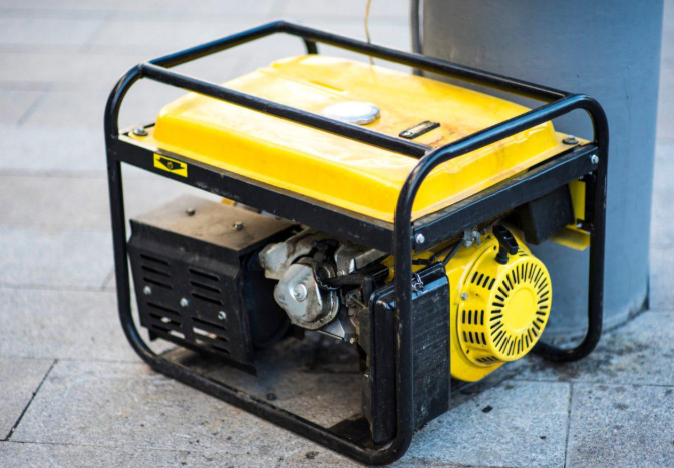
If you’ve ridden out a couple of storms in Tampa, this probably rings a bell: the power cuts out at some awful hour, you fumble for a flashlight, wrestle the generator out of the garage, and then thread orange extension cords under the doors to the fridge and whichever fan you can find. It works, more or less. A Portable Generator Transfer Switch is the cleaner, safer way to do it, and it’s one of the most useful upgrades a Florida homeowner can make before the next storm.
At Kazar’s Electric Inc, we’ve been wiring Tampa-area homes and businesses since 1991. We’ll walk you through what a transfer switch does, how to choose between the best transfer switches for generators, and what install day looks like.
Quick AnswersWhat does a portable generator transfer switch do? It lets you power selected household circuits from a portable generator through your electrical panel, instead of running extension cords through the house. Is a generator transfer switch plug the same thing? The generator transfer switch plug, often called a power inlet box, is the outdoor connection point where your generator cord plugs in. It works together with the transfer switch. Can I install a transfer switch myself? It connects to your main electrical panel, so it should be installed by a licensed electrician and done to code. |
What Is a Portable Generator Transfer Switch?
If you’ve ever watched a train change tracks, you’ve basically got it. Day to day your panel is fed by the utility; once the grid goes dark, one flip of a lever (or a few small switches, depending on the model) moves the house over to the generator, and the design makes it physically impossible for both feeds to be live together.
Why does that matter so much? Because the alternative, plugging a generator into a dryer outlet with a homemade double-male cord, can push power back out onto the street. Linemen working to restore your power can get hurt. Please don’t do it.
A typical setup includes:
- A transfer switch or interlock at your main panel
- An outdoor power inlet box, the generator transfer switch plug
- A heavy-duty generator cord
- A short list of circuits you want to keep running
Why Do Tampa Homes Need One Before Hurricane Season?
Remember how long some neighborhoods sat in the dark after the last big one? Multi-day outages aren’t rare here, and somewhere around the second evening the cord shuffle stops being an adventure, especially once somebody plugs a space heater or hair dryer into the wrong one and the insulation starts to smell.
With a transfer switch, you can run the things that really matter, like the refrigerator, a few lights, ceiling fans, a well pump, or a medical device, straight from your panel. And the generator stays outside where it belongs. Ready.gov reminds homeowners to only use generators outdoors and at least 20 feet away from windows, and a properly placed inlet box makes that a lot easier to follow.
What Are the Best Transfer Switches for Generators?
We get asked “which brand is best” a lot, and our answer usually disappoints people a little: it matters less than whether the switch fits your particular generator and panel, plus your budget. In practice, nearly every job we do ends up being one of these three:
Manual Transfer Switch
A small subpanel with switches for a set number of circuits. You flip each circuit from line to generator by hand. Simple and reliable.
Panel Interlock Kit
It’s just a metal plate that slides on your main panel so the main breaker and the generator breaker can’t both be on. Cheap, clever, and you get to pick which breakers to run in the moment.
Automatic Transfer Switch
Usually paired with a permanent standby generator. It senses the outage and switches over on its own. If that sounds better than hauling a portable unit around, take a look at our residential generator systems.
How Do You Size the Switch and Choose Circuits?
Start with your generator’s running wattage. Then list what you can’t live without for a few days. Most families end up somewhere around:
- Refrigerator and freezer
- A few lighting circuits
- Ceiling fans or a window AC unit
- Garage door opener
- Internet router and phone chargers
- Well pump, if you have one
We’ll match the switch rating and inlet plug to the outlet on your generator, so you don’t find out at midnight that you bought the wrong cord.
What Happens During Installation?
For most houses, we’re in and out the same day. Roughly how it goes:
- Walkthrough – We look at your panel, your generator, and where it’ll sit outside.
- Plan the circuits – You pick the essentials and we confirm the load.
- Mount the inlet box – The generator transfer switch plug goes on an exterior wall near the generator spot.
- Install the switch or interlock – Wired to code at your main panel.
- Test it – We fire up your generator and run each circuit.
- Show you how – You’ll know exactly which switches to flip when the lights go out.
Learn more about our residential generator transfer switch services, or if you run a business, our commercial generator transfer switches.
What Mistakes Should You Avoid?
We see the same few problems after every storm season. Most of them are easy to avoid if you plan ahead.
- Buying a cord that doesn’t match the generator outlet or the inlet plug
- Picking circuits that add up to more than the generator can handle
- Running the generator in the garage, even with the door open
- Skipping a test run until the night the power goes out
- Letting old gas sit in the generator all summer
Our advice? Once your Portable Generator Transfer Switch is in, do a practice run every few months. Fire it up, flip the circuits, and make sure everyone in the house knows the steps. It takes ten minutes and saves a lot of stress when a storm rolls into Tampa.
Why Hire a Licensed Tampa Electrician?
Transfer switch work happens inside your main panel. A mistake there isn’t just a tripped breaker, it can mean a fire risk or a failed inspection. Kazar’s Electric is a licensed Florida electrical contractor (License #EC0002272) that has served the Tampa Bay area for more than three decades, and we keep every install within code and safety standards.
Want it done before the next storm warning? Request a quote or call (813) 929-9500 and we’ll set up a time.
Quick Summary
A Portable Generator Transfer Switch lets Tampa homeowners safely run essential circuits from a portable generator through the main panel, without extension cords or the risk of backfeeding the utility lines. Common options include manual transfer switches, panel interlock kits, and automatic switches for standby generators.
The best transfer switches for generators match your generator’s output, your panel, and the circuits you need most. A licensed electrician like Kazar’s Electric Inc can size, install, and test the switch and the generator transfer switch plug so you’re ready before hurricane season.
Key Takeaways
- A transfer switch safely connects a portable generator to your home’s panel.
- It prevents dangerous backfeeding onto utility lines.
- Manual switches, interlock kits, and automatic switches are the main options.
- The generator transfer switch plug is the outdoor inlet your cord connects to.
- Pick essential circuits based on your generator’s running wattage.
- Generators should always run outdoors, away from windows.
- Installation should be done by a licensed electrician to code.
Frequently Asked Questions
How much does a portable generator transfer switch cost?
Cost depends on the switch type, the number of circuits, and your panel. Kazar’s Electric provides a quote after looking at your setup.
Do I need a permit to install a transfer switch in Tampa?
Panel work typically requires a permit and inspection. A licensed electrician handles the permit process as part of the job.
What size transfer switch do I need?
It should match your generator’s output and outlet, usually 30 or 50 amps for portable generators, along with the circuits you plan to run.
Can a transfer switch power my central AC?
Only if your generator is large enough. Most portable generators can run a window unit or fans, but not a full central system.
Is an interlock kit as safe as a transfer switch?
When installed correctly to code, an interlock kit prevents the main and generator breakers from being on at the same time, which is the key safety requirement.